April 24, 2026
If you own a historic-district Charleston home and you’re planning a kitchen remodel, the first question is usually the same: “Does this need BAR approval?”
Short answer: BAR reviews exterior changes, not interiors. The inside of your kitchen isn’t their jurisdiction. But several common kitchen projects do touch the exterior — and those require BAR sign-off before you can pull a permit.
Here’s what you actually need to know, written for homeowners, not architects.
What Charleston’s Board of Architectural Review actually does
The Charleston Board of Architectural Review (BAR) exists to preserve the look of Charleston’s historic streetscapes. They review any proposed change to a structure in a designated historic district that is visible from a public street or sidewalk.
Charleston has two BARs:
- BAR-Large for buildings in the Old and Historic District, the Old City Historic District, and the Cannonborough-Elliotborough area, generally covering larger / more historic structures.
- BAR-Small for smaller structures and less sensitive projects.
Which one reviews your project depends on where your house sits and the scope of the work. The city’s planning department assigns the right board once you submit.
What BAR reviews in a kitchen project
In order of how often they come up:
1. New or enlarged exterior vents
This is the #1 reason a kitchen project hits BAR. A new range hood vented to the outside means a new penetration through your exterior wall — a visible cap or louver on the facade or side of the home. BAR will want to review location, size, and the style of the cap.
2. New or replacement windows
Kitchen remodels often include enlarging a window over the sink or adding a window above a new range. Any window change visible from the street is a BAR review item. Wood, aluminum-clad, or vinyl — all get scrutinized for profile and muntin pattern.
3. Exterior doors
Adding a new back door to the kitchen, replacing the existing one, or changing the style / glazing all trigger BAR review if visible from any public right-of-way — which in a classic Charleston single house often includes the side yard.
4. Additions and bump-outs
Expanding the kitchen by adding square footage — bumping out the back, extending the ell, adding a breakfast nook — is a major BAR review. Massing, materials, rooflines, and window placement are all on the table.
5. Exterior-mounted equipment
New mini-split HVAC condensers, tankless water heaters, and larger electrical panels that end up on the exterior as part of a kitchen project get reviewed for placement and screening.
What BAR does not review
The inside of your kitchen. Specifically:
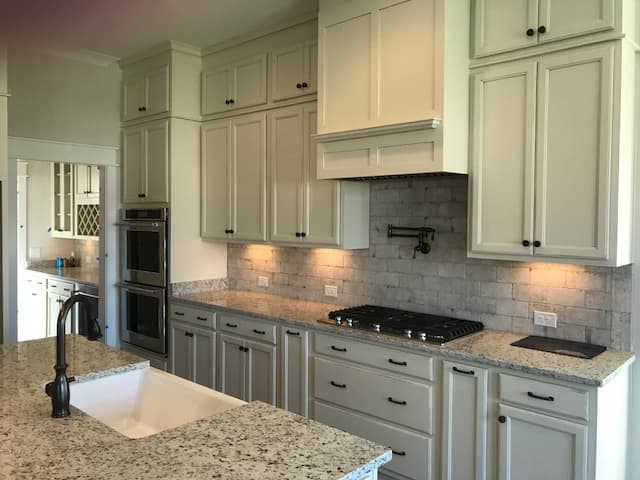
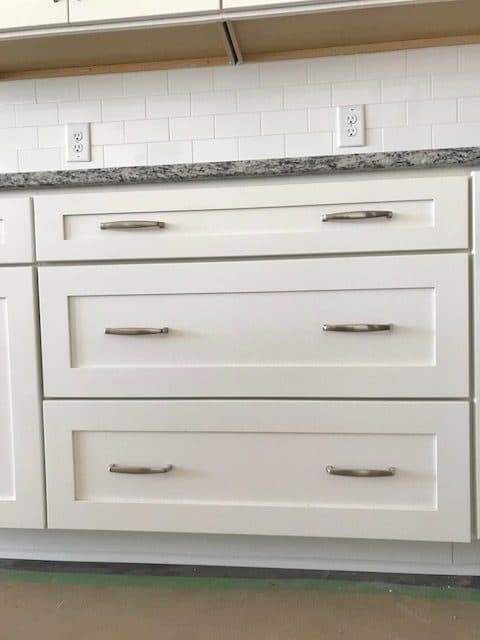
- Cabinet layout, style, color, or material
- Countertops and backsplash
- Interior paint colors
- Interior flooring
- Appliance choices
- Plumbing fixtures and lighting inside the home
- Moving interior non-load-bearing walls
- Interior trim, mouldings, and ceiling changes
You can gut a historic Charleston kitchen to the studs and install a completely modern interior with zero BAR involvement — as long as nothing exterior-visible changes.
The gray area: interior changes that touch the exterior
This is where homeowners get tripped up. A few examples we see regularly:
Moving the range creates a new vent
You decide to move your range to an interior wall. Great — but now the vent has to run longer, and it may still need to exit through an exterior wall. New exterior penetration = BAR review.
Adding an island with a downdraft
Downdraft vents still need a path to the outside. If that path creates a new vent on the facade, it’s a BAR item.
Upgrading electrical service
Kitchen remodels often reveal undersized electrical panels. Upsizing the service sometimes requires a new exterior meter base or panel location, which is BAR-visible.
The actual BAR process
The process isn’t as scary as its reputation:
- Pre-application meeting (optional but recommended) — you or your architect sits down with Charleston planning staff to discuss the project informally. They’ll tell you what BAR will flag.
- Submit application — drawings, photos, material specs, property photos showing the public views.
- BAR hearing — usually 4–8 weeks after submission. You or your architect presents. Board members ask questions, sometimes request changes.
- Approval, approval with conditions, or denial. Denials can be revised and resubmitted.
For straightforward projects — a matching replacement window, a small vent cap in a discreet location — staff can sometimes approve without a full hearing (“staff approval”). That path is much faster.
Timeline impact on your kitchen project
If your kitchen project triggers BAR:
- Staff-level approval: 2–4 weeks added to permitting
- BAR hearing (single submission): 6–10 weeks added
- BAR hearing with revisions: 10–16 weeks added
This is on top of regular building-permit review. For a historic-district kitchen project that involves any exterior change, plan on a 3–4 month permitting window before you start demo.
Practical tips for historic-district Charleston homeowners
- Do the design phase thoroughly. Historic renovations punish vague plans.
- Keep exterior changes minimal. If you can keep your new range hood on the same exterior wall as the old one, you may avoid a new penetration.
- Use a contractor who has done historic work. The labor premium is real but worth it. A contractor unfamiliar with BAR can cost you months.
- Get a pre-app meeting. A free 30-minute conversation with Charleston planning saves weeks of speculation.
- Budget for lime plaster, heart pine, or period-appropriate materials if your project goes to a hearing — BAR tends to respond well to proposals that respect the original construction.
FAQ
Do I need BAR approval for an all-interior kitchen remodel in downtown Charleston?
No — if nothing exterior-visible changes, BAR isn’t involved. You’ll still need a standard building permit for plumbing and electrical work.
Does BAR review kitchen cabinet style or countertop material?
No. BAR’s jurisdiction ends at the interior wall. Cabinets, counters, backsplash, and paint are entirely your decision.
What triggers BAR most often in Charleston kitchen projects?
New exterior range hood vents, new or replaced windows over the sink, and replacement exterior kitchen doors are the three most common.
How long does BAR approval take in Charleston?
Staff-level approvals take about 2–4 weeks. Full BAR hearings typically add 6–10 weeks, longer if revisions are requested.
Can I appeal a BAR decision?
Yes — BAR decisions can be appealed to Charleston’s Board of Zoning Appeals or ultimately to court. In practice, working with BAR to revise and resubmit is faster than appealing.
The honest summary
If you’re redoing the inside of your historic Charleston kitchen, BAR isn’t something to fear — they’re not involved. If your project involves a new vent, window, door, or exterior-visible equipment, plan for an extra few weeks and use an architect or contractor who knows the process.
We’ve done kitchen installs in downtown singles, Wraggborough townhouses, and Mount Pleasant bungalows, and in most historic projects the BAR piece is a manageable part of the timeline — not the showstopper homeowners imagine. If you’re weighing a historic-district kitchen project and want a realistic sense of what’s BAR-triggered and what isn’t, give us a call before you finalize the design.